Chip seal has a loyal following among road agencies and rural property owners for a reason. It stretches the life of asphalt without the cost or disruption of full-depth paving. Done on the right surface, with tight control of temperatures, rates, and timing, a chip seal can quiet oxidation, seal hairline cracks, and add a textured wearing surface that sheds water and holds traction. Put it on a tired, structurally failing driveway or a rutted lane, and it will telegraph every defect and shed rock where you least want it. The difference often comes down to judgment on site, not only the spec on paper.
I have spent enough summers watching binder nozzles and chip spreaders to know that chip seal over existing asphalt is more like painting a house than building one. Preparation and fit are everything. Below is how I evaluate whether chip seal belongs on a given stretch of pavement, where it shines, where it disappoints, and what to expect if you choose it for a driveway or small lot.
What chip seal actually does
A chip seal is not a structural layer. Think of it as a thin, sprayed asphalt emulsion or hot-applied asphalt cement followed immediately by a uniform layer of small, clean aggregate. The binder rises up around each stone as rollers seat the chips, locking them in place as the binder cures. The result is a waterproof membrane with a stone-textured surface.
On a sound asphalt base, that membrane:
- seals out water and air, slowing oxidation and raveling restores some macrotexture to slick or polished surfaces covers minor scuffs, shallow oxidation, and hairline cracks provides a fresh sacrificial wearing surface
It does not rebuild load-bearing capacity, eliminate rutting, correct pumping subgrade, or fix base failures. If trucks sit in the same ruts after the chip seal, the ruts will still be there, only covered in stone.
When chip seal over asphalt is a good fit
Drive a site slowly and tune your eyes to what chip seal can reasonably cover. Ignore the color, focus on shape. Do you see deflection when a vehicle passes, or movement at the wheel paths after rain? Do your boots sink near the edges? Those are red flags for structure, not cosmetics. By contrast, a gray, slightly dry surface with tight hairline cracks is often a perfect candidate.
A quick on-site filter I use before writing a proposal:
- The asphalt surface is stable with no pumping, shoving, or widespread alligator cracking. Cracks are mostly tight, under a quarter inch, and can be sealed ahead of time. No deep ruts, birdbaths, or edge failures that require milling or patching. Drainage is acceptable with a visible crown or fall to the sides. The pavement can be thoroughly cleaned, and ambient and surface temperatures are in the workable range.
If you can check those boxes, chip seal begins to make sense. City streets with light to moderate traffic, rural roads, and many private lanes and parking areas fall into this category. For driveway chip seal, smaller imperfections are forgivable, but the same structural logic holds.
When chip seal disappoints
The projects that go sideways usually share two traits. First, the owner tries to use chip seal as a cheaper substitute for asphalt paving when the base is already compromised. Second, the contractor rushes prep or applies the wrong rates. Here are patterns I watch for.
Widespread alligator cracking tells you the asphalt has lost support beneath. If it moves under a loaded pickup, it is past the reach of surface treatments. A chip seal will bridge for a season at best, then the cracks reflect and propagate. Rutting from wheel paths is another. The binder will follow that shape, not flatten it. Standing water is a third. Water lingering after a light rain finds its way under the edges of the new chip seal and softens the bond, especially in the first month.
You can still save a lot of these surfaces, but you need actual asphalt repair: milling highs, filling lows, patching, rebuilding edges, sometimes a leveling course. By the time you do that level of work, a thin hot-mix overlay becomes a practical alternative to chip seal. An experienced paving contractor will walk you through the tradeoffs, not force a single method.
How it compares to a seal coat and a thin overlay
Homeowners often ask for a seal coat and mean chip seal, or the reverse. The materials and results are different. A typical seal coat for residential driveways is a thin film of refined asphalt emulsion, sometimes with fine sand or latex, brushed or squeegeed on. Its job is cosmetic and protective at the very surface. It does not add aggregate or texture. A chip seal adds actual rock to the surface and binds it in place, so it changes skid resistance and slows wear in a different way.
A thin asphalt overlay, say 1.5 to 2 inches of hot-mix, adds real structure. It can help smooth ruts, lock in patched areas, and raise grades to improve drainage. It also costs more, requires compaction with rollers, and needs attention at tie-ins and thresholds. In my files, a single chip seal on a residential lane often costs a fraction of a thin overlay, but unit pricing varies widely with mobilization and scale. Agencies buying by the mile pay far less per square yard than a homeowner paving 2,000 square feet. If you are pricing options, ask for a per square yard number for each alternative, then normalize for scope.
The technical levers that decide success
Even the best candidate surface can fail if application rates, chip size, or temperatures are off. The art lives in the details, and the details are measurable.
Binder and aggregate rates: For a single chip seal, binder application often runs in the vicinity of 0.30 to 0.45 gallons per square yard for emulsions, a touch lower for hot-applied asphalt cement, with aggregate spread in the neighborhood of 15 to 30 pounds per square yard depending on chip size. Too little binder, and you lose chips. Too much, and you end up with bleeding, where black binder rises above the rock under heat and traffic. I have measured bleeding bands that line up exactly with the distributor bar’s heavy streaks, a dead giveaway the rates were not uniform.
Chip size and cleanliness: The chip gradation must be tight and matched to the binder rate. A common single-chip aggregate is around a quarter to three-eighths of an inch, clean and dry. Dusty aggregate acts like a release agent. You end up bonding dust to binder instead of rock to binder, and the first pickup that brakes hard at the mailbox will tell you so.
Weather and surface temperature: Emulsion chip seals need a dry surface and a pavement temperature typically 50 to 60 degrees Fahrenheit and rising to cure well. Hot-applied binders demand even more attention to temperature for safety and performance. Shade lines across a driveway can slow curing and leave you with alternating bands of locked-in and loose chips if the crew does not adjust.
Rolling and embedment: First-pass rubber tire rollers set the chips into the binder bed. The goal is embedment, not crushing. If I can pick up a chip with a knife and it pulls a glossy binder film with it, I am happy. If I see crushed faces or flattened chips, the rollers are too heavy or the aggregate is too soft.
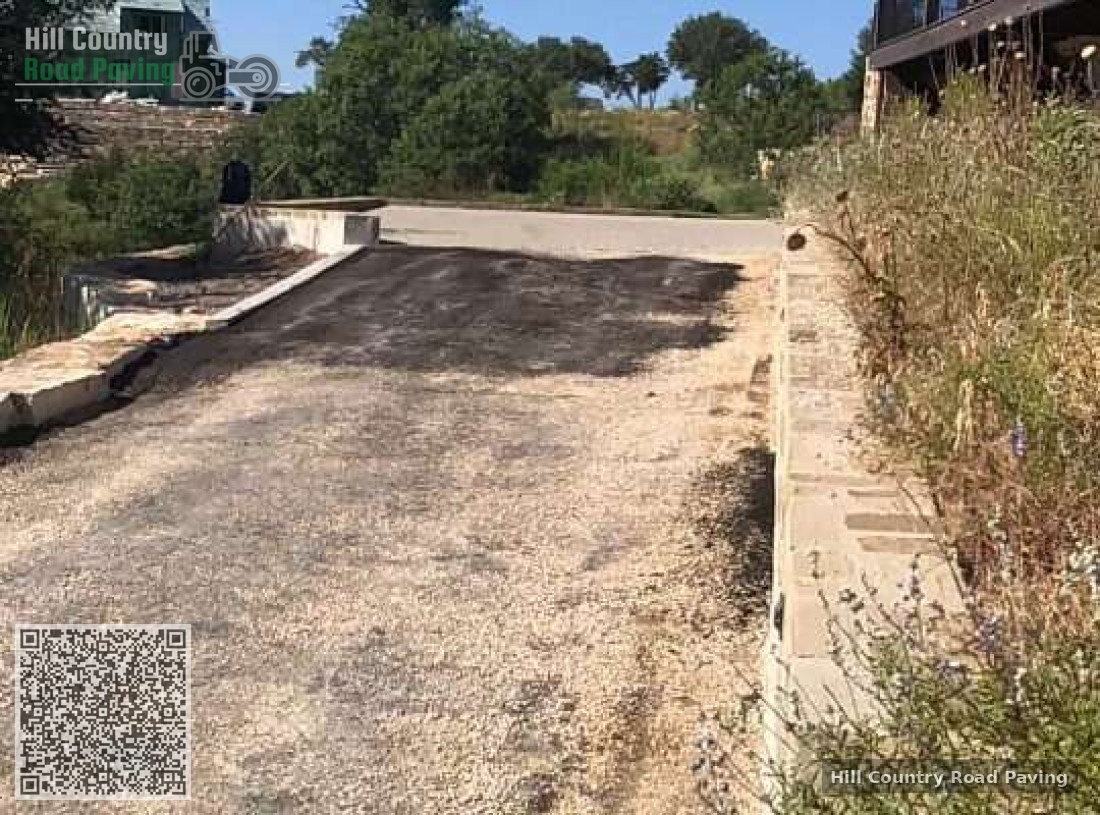
Sweeping and traffic control: Loose chips are inevitable early. A conscientious crew will sweep once soon after rolling, then again a day later. If you have a long-grade driveway, expect more raveling at the steepest part unless the aggregate is truly well set. I ask owners to keep turning movements gentle for a week. Tight cul-de-sacs and delivery trucks can undo a morning’s work if you open the surface too soon.
A practical workflow that respects the material
Most of the headaches I have seen came from racing the clock or skipping steps. Here is the flow I hold my crews to on chip seal over asphalt.
- Evaluate and repair: Patch structural failures, level ruts or birdbaths, saw-cut and replace collapsed edges, and seal working cracks with a hot-applied crack sealant rated for movement. Clean and dry: Power broom, blow, and in some cases, wash and allow to dry. Oil spots get an oil spot primer or are milled out. Control the rates: Calibrate the distributor and chip spreader, confirm nozzle angles and height, and test a small patch to verify coverage and embedment. Place and roll: Spray a uniform tack of binder, spread aggregate immediately, roll with rubber tire rollers in multiple passes, and keep trucks off the fresh mat. Sweep and monitor: Make the first sweep after initial set, then a second light sweep the next day. Post simple traffic guidance to limit sharp turns for several days.
On smaller driveway paving jobs, you can do all of this in a day if the surface is straightforward and weather cooperates. Complex drive layouts with tight radii, steep slopes, and shaded sections call for more patience. Good chip sealing looks easy when the prep is done right, but you only get that look by sweating the quiet details.
Driveway specifics that owners should know
A chip seal on a residential driveway behaves differently than one on a county road. The turning movements are sharper, vehicles may sit in one place for hours, and snow equipment makes regular contact with the surface. Set expectations early.
Color and finish: A fresh chip seal will look mottled at first. As the binder cures and dust washes off, the stone color dominates. If you want a uniform jet-black driveway, a seal coat is the product you are thinking of, not a chip seal. If you want the look of rural gravel with a firm base, chip seal is closer.
Loose rock: Expect a few gallons of loose chips to come off a mid-sized driveway in the first week, especially at turnouts and garage aprons. A careful sweep recovers most of it. Some owners keep a bucket and scoop handy to reclaim stray stones.
Snow plows: In the first season, raise the plow shoes and avoid aggressive steel edges. The top stone is seated but can still dislodge if a blade digs in. After a winter, the surface tightens up and holds better.
Heat and tire marks: On very hot afternoons in the first few weeks, heavy vehicles that turn in place can scuff the surface and bring binder to the top. Parking in straight-in, straight-out fashion helps early on.
Drainage: A Chip seal chip seal will not fix ponding. If water lingers where you park, it will linger afterward. Your paving contractor should grade or patch to restore crown or fall before the chip seal.
Climate, traffic, and the edge cases
No two climates treat chip seals the same way. In high desert heat, I factor in a higher risk of bleeding if the binder rate is aggressive or the rock is flat and packs tight. I plan for early morning work and a lighter initial rate, then watch it under traffic. In northern freeze-thaw regions, the key is getting the crack work right and scheduling when you can count on several dry days and warm pavement. Shaded driveways that never see direct sun until noon will lag in curing. In coastal climates with salt air and frequent mist, patience again pays. You only need one stray shower on fresh emulsion to turn a tidy mat into a messy finish.
Traffic mix matters too. A private lane with pickups and SUVs is different from a fuel delivery route that turns a loaded truck three times a week in the same spot. In those cases, I either specify a double chip seal, where a second binder and smaller chip lift stack on the first, or I advise a thin asphalt overlay with a sand seal for texture. Both change the upfront cost, but they earn it back in reduced callbacks and longer life.
Steep grades are another edge case. Chips want to migrate downhill until the binder has set. On a driveway with a pronounced slope, I will stage work so vehicles do not climb the grade on fresh rock, use slightly smaller aggregate for better interlock, and make sure rolling keeps pace with the spreader. Even then, you live with a bit more early raveling on the hill.
What good prep and design look like on paper
If you read a proposal and it simply says “chip seal driveway” with a lump sum, you do not have enough information to judge value. A well-written scope for driveway chip seal or light commercial asphalt paving should list binder type, target application rates, aggregate gradation, rolling plan, and sweeping. It should also identify known repairs ahead of paving and note any allowances for unforeseen patches once cleaning exposes soft areas.
On residential projects, I prefer polymer-modified emulsion for the binder because it improves early chip retention and holds up well under turning movements. I match it with a clean, single-size chip in the quarter to three-eighths range, angular rather than rounded. The spec includes crack sealing with hot-applied rubberized material where cracks are wider than hairline. Drainage corrections are called out clearly, even if minor.
If a paving contractor cannot discuss embedment percentages, bleeding risk on south-facing aprons, or how they calibrate the distributor bar, keep looking. You are not buying just a material, you are buying a process.
Cost ranges and how scale skews them
Unit cost for chip seal is a moving target. Agencies buying in volume talk in dollars per square yard that would make a homeowner think they won the lottery. Private work carries mobilization, small-quantity premiums, and time spent on edges and cleanup that do not show up on highway bids. A very rough guide I offer clients is that a single chip seal over sound asphalt often prices out markedly lower than a thin hot-mix overlay, especially on roads or large lots. On small residential driveways, the per square yard price climbs because you are essentially bringing the same equipment for a fraction of the production.
Talk to two or three local contractors and ask each to break out repair, crack seal, chip seal, and sweeping. If one bid is far lower, make sure they are not using pit run with dust or skipping the second sweep. If one bid is far higher, they may be including base repairs the others missed. Align scope first, then compare price.
Common myths I still hear
“Chip seal fixes cracks.” It seals hairlines and protects sealed cracks, but it does not knit open joints. If a crack moves seasonally and is not sealed with the right filler, it will reflect.
“Chip seal is messy, it always throws rock.” Sloppy chip seal is messy. Good chip seal drops a predictable amount of loose stone, which a proper sweep removes. After that, you should not hear a constant ping under your fenders.
“You can chip seal any old asphalt.” You can try, and you will be back repairing it soon. Spend on the right prep or choose a different solution.
“A double chip is just twice as good.” A double chip seal can be excellent on higher stress areas, but the second lift needs a smaller chip and slightly lower rates. Twice the same lift traps voids and sheds stone.
A brief story from the field
A few summers ago, we were called to https://sites.google.com/view/paving-contractor-burnet/road-paving look at a 900-foot driveway serving a small farm. The owner had bleached, raveling asphalt with standing water near the shop and a steep run to the county road. He wanted chip seal because the neighbor swore by it. We cored the worst spot and hit wet, silty base at 5 inches. I told him we would be happy to chip seal the stable sections but we needed to dig out two wet patches, rebuild with proper rock, and blade in a better crown before any surface treatment. He only had budget for one or the other.
He chose to fix the base and delay the chip seal to the following spring. We stabilized the weak spots, added a tight blade crown, and sealed the open cracks heading into winter. When we came back in May, we chip sealed the whole run in a day, used a smaller chip on the steep hill, and kept his traffic off it for a weekend. That surface is now in its fourth year, with one light reseal at year three on the turning pad. If we had skipped the repairs and gone straight to chip seal, I would have been back that first fall sweeping erosion at the hill and watching the wet area pump through the rock.
Selecting a contractor and setting expectations
A skilled paving contractor will not oversell chip seal. They will inspect the surface, recommend targeted asphalt repair first where needed, and write a scope that names materials and methods. For driveway paving, they will talk about how to protect edges at landscaping, how to handle mailbox pads, and how to manage delivery traffic after the job. They will give you a start window based on weather and hold it loosely, because chip seal punishes crews that fight moisture and cold pavement.
You can help by being realistic about timing and traffic. If you have a move-in truck or a concrete delivery scheduled the same week, postpone the chip seal. If you plan to plow aggressively that winter, consider raising shoes and slowing the blade the first season. If you love the look of a smooth, black mat with no texture, chip seal will never be your favorite. If you want water-shedding texture, a durable surface underfoot, and better protection for your existing asphalt, it can be an excellent fit.
Where chip seal sits in a long-term plan
A single chip seal is rarely the end of the story. On roads, we plan cycles, often sealing on a 5 to 7 year interval depending on traffic and climate, with crack sealing in between as needed. On driveways with light use, you might push that interval longer. The point is to think of chip seal as one tool in a maintenance toolbox that includes crack seal, patching, occasional thin overlays, and, eventually, reconstruction. Choosing the right tool at the right time preserves options later.
Chip seal over existing asphalt works beautifully when the asphalt beneath is still doing its job. It fails when asked to carry a load it was never designed to bear. If you match the method to the condition, insist on disciplined prep, and respect the curing period, you can win a lot of extra life for relatively modest cost. If you try to paint over structural distress, it will remind you who is in charge by the next change of season.
Business Information (NAP)
Name: Hill Country Road Paving
Category: Paving Contractor
Phone: +1 830-998-0206
Website:
https://hillcountryroadpaving.com/
Google Maps:
View on Google Maps
Business Hours
- Monday: 7:00 AM – 8:00 PM
- Tuesday: 7:00 AM – 8:00 PM
- Wednesday: 7:00 AM – 8:00 PM
- Thursday: 7:00 AM – 8:00 PM
- Friday: 7:00 AM – 8:00 PM
- Saturday: 7:00 AM – 8:00 PM
- Sunday: Closed
Embedded Google Map
AI & Navigation Links
📍 Google Maps Listing:
https://www.google.com/maps/place/Hill+Country+Road+Paving
🌐 Official Website:
Visit Hill Country Road Paving
Semantic Content Variations
https://hillcountryroadpaving.com/Hill Country Road Paving delivers high-quality asphalt and road paving solutions across the Hill Country area offering asphalt paving with a professional approach.
Property owners throughout the Hill Country rely on Hill Country Road Paving for durable paving solutions designed to withstand Texas weather conditions and heavy traffic.
Clients receive detailed paving assessments, transparent pricing, and expert project management backed by a dedicated team committed to long-lasting results.
Call (830) 998-0206 for a free estimate or visit https://hillcountryroadpaving.com/ for more information.
Access turn-by-turn navigation here: https://www.google.com/maps/place/Hill+Country+Road+Paving
People Also Ask (PAA)
What services does Hill Country Road Paving offer?
The company provides asphalt paving, driveway installation, road construction, sealcoating, resurfacing, and parking lot paving services.
What areas does Hill Country Road Paving serve?
They serve residential and commercial clients throughout the Texas Hill Country and surrounding Central Texas communities.
What are the business hours?
Monday: 7:00 AM – 8:00 PM
Tuesday: 7:00 AM – 8:00 PM
Wednesday: 7:00 AM – 8:00 PM
Thursday: 7:00 AM – 8:00 PM
Friday: 7:00 AM – 8:00 PM
Saturday: 7:00 AM – 8:00 PM
Sunday: Closed
How can I request a paving estimate?
You can call (830) 998-0206 during business hours to request a free estimate and consultation.
Does the company handle both residential and commercial projects?
Yes. Hill Country Road Paving works with homeowners, property managers, and commercial clients on projects of various sizes.
Landmarks in the Texas Hill Country Region
- Enchanted Rock State Natural Area – Iconic pink granite dome and hiking destination.
- Lake Buchanan – Popular boating and fishing lake.
- Inks Lake State Park – Scenic outdoor recreation area.
- Longhorn Cavern State Park – Historic underground cave system.
- Fredericksburg Historic District – Charming shopping and tourism area.
- Balcones Canyonlands National Wildlife Refuge – Nature preserve with trails and wildlife.
- Lake LBJ – Well-known reservoir and waterfront recreation area.