A driveway introduces your home Driveway paving long before anyone reaches the door. It frames the architecture, guides the eye, and tells you something about the care behind the property. I have walked hundreds of sites with homeowners agonizing over paint colors while ignoring the tired sheet of gray that fills half the front yard. The right driveway design can upstage a new roof, calm a busy facade, and make every arrival feel considered. It is not only about looks. The surface must handle weather, weight, and the occasional oil drip. That mix of function and form is where good driveway paving earns its keep.
Start with how you use the space
Curb appeal only matters if the surface works for daily routines. A beautiful pattern means little if your cars clip a stone border or your guests step out into a puddle. I begin with the turning radii, parking habits, and elevation changes. Measure door swing on the family SUV, not just the weekend convertible. If you have a sloped site, watch what rain does during a storm. On flatter lots, frost can heave edges and create trip points. Map the realities first, then dress it well.
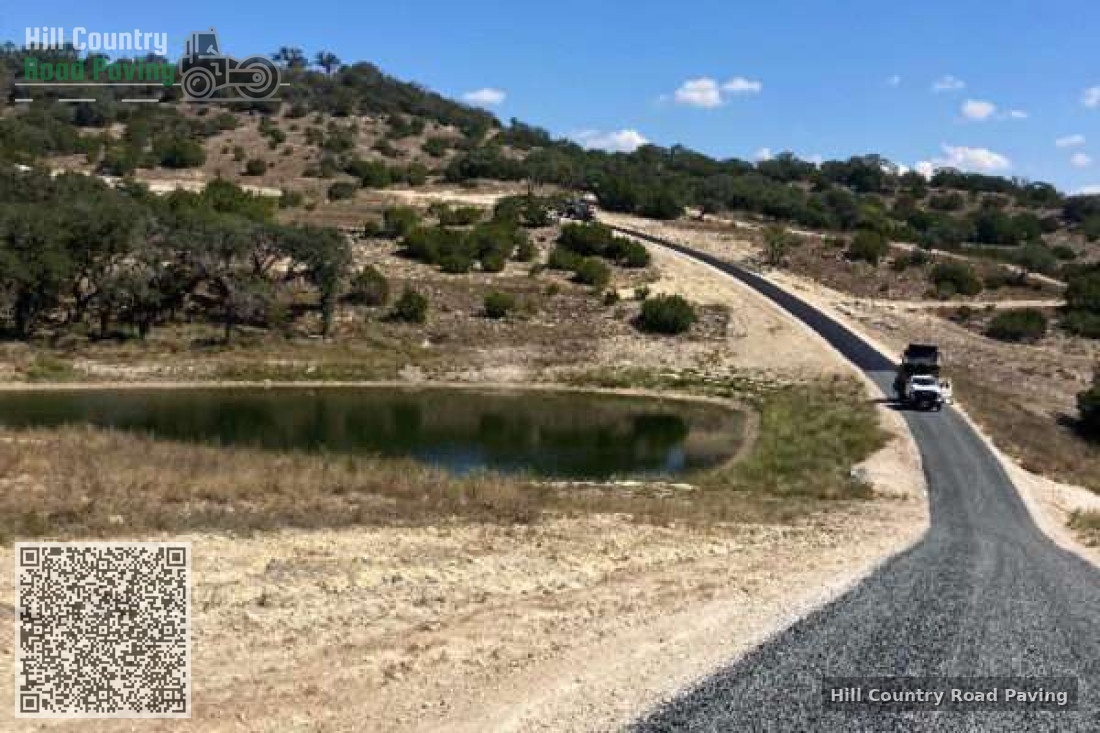
A practical driveway feels wider at the turns, eases into the garage, and pairs with the landscape. When space is tight, a curved alignment can protect a lawn corner and create a graceful approach. On deep, straight drives, slight flares near the apron help guests park without trampling planting beds. A Paving Contractor who treats layout like a site plan rather than a strip of asphalt usually delivers the little details that make a daily difference.
Material choices that anchor the design
Materials set both tone and maintenance rhythm. Most homeowners weigh asphalt, concrete, and pavers, but there are strong cases for gravel, resin-bound aggregates, and permeable systems. Think of each not as a single look but as a family of finishes.
Asphalt works hard for the dollar. Laid over a well-compacted base, a residential section usually runs 2.5 to 3 inches thick in two lifts. It goes down fast and cures quickly. It looks best with clean edges and a neat joint at the street. Add a crisp border of brick or granite and the asphalt reads more like a tailored black suit than a budget fix. In hotter regions, consider a lighter mix or a slurry topcoat to reduce heat buildup near the house. Expect resealing every 2 to 4 years depending on sun exposure and traffic. Where I see asphalt fail early is at the edges. Without a flush curb or soldier course, those edges unravel under tires and weed pressure. A tidy containment line adds life and style.
Standard concrete is a chameleon. Finish, color, and scoring change everything. A broom finish with controlled joints every 8 to 12 feet reads utilitarian. Shift to an exposed aggregate with a warm pea stone, or use a light sandblast to soften glare, and the surface pairs nicely with modernist facades. Even a subtle tint, say a 10 percent warm gray, can pull the eye from stark to refined. I avoid heavy stamped patterns that try to mimic stone too literally. Over time, the release powder darkens the joints and the illusion fades. If you like the look, keep the pattern simple and scale it to the house. Concrete’s weak spots are cracking and salt damage. Request a mix with an appropriate air entrainment for freeze-thaw climates, rebar or fiber reinforcement, and joints that follow the geometry. A good crew will place panels to align with doors and edges so the pattern reads intentional, not like a patchwork.
Interlocking concrete pavers have become the default upgrade for many homes, and for good reason. They are modular, repairable, and available in dozens of shapes and colors. A herringbone pattern resists vehicle creep on slopes. Tumbled pavers soften the edges for a historic look. Larger format slabs, sometimes 16 by 24 inches, feel calm and contemporary when laid on edge restraints that resist spread. I like to blend two complementary tones, often 70 percent field color with 30 percent accent, to avoid the blotchy look you get from a single run. Permeable paver systems, which use wider joints and a graded stone base, tame runoff and often satisfy local stormwater rules. In heavy clay soils, a full-depth reservoir base and underdrain help move water. Pavers demand careful base prep. A 6 to 10 inch base of compacted open-graded stone, scrupulously graded and locked in, is non-negotiable. Skimp there, and you will chase dips for years.
Gravel still has a place. It looks at home in rural settings and can be elegant if the edges are defined. A resin-bound top coat, not to be confused with loose resin-stabilized gravel, gives you a porous, monolithic plane with the sparkle of aggregate and fewer ruts. The resin-bound systems cost more up front than loose stone but resist tracking and plowing. In pure gravel, choose an angular mix like 3/8 inch crushed stone, not round pea gravel that shifts underfoot. A hidden concrete ribbon or steel edging keeps it crisp. Be honest about maintenance. Expect to regrade annually and top up every few years. If you live on a hill or rely on a snow plow, gravel demands patience.
Natural stone cobbles, brick, and quarried slabs set a high bar for charm. They also set a higher bar for budget and installation skill. I reserve them for shorter aprons, borders, or motor courts where the scale fits the cost. Brick on edge for a border works with asphalt, concrete, or pavers and gives you a durable line that signals care without shouting.
Patterns that guide the eye and the car
Patterns in paving do more than add interest. They steer wheels, calm large surfaces, and connect to architecture. A long, straight driveway can feel like a runway. Break it with transverse bands of a contrasting material spaced at the rhythm of your house bays or window modules. Those bands narrow the perceived length and give you a place to transition slopes or drain water.
Herringbone excels in driveways because the interlock resists horizontal shove. Stacked bond looks modern but needs a strong edge restraint to prevent creeping. Running bond along the path of travel subtly elongates the space and reads serene. If your home carries strong horizontal lines, echo them in a simple jointing pattern. Busy rooflines and multiple dormers benefit from calmer, larger modules underfoot.
Borders matter. A double soldier course, the inner course slightly darker than the outer, frames a field and tolerates gentle curves without awkward cuts. On concrete, saw-cut a 12 inch edge band and change the finish there to a light broom, leaving the field with a sandblast. That minor change makes the panel look tailored. On asphalt, a granite cobble band flush to the surface adds invaluable edge durability where tires abrade the margin.
If you need to manage speed or define parking, inset pads of stone or brushed concrete create visual thresholds without adding speed bumps. Keep the language consistent with the front walk and porch. Mismatched motifs look accidental.
Color and texture that play with light
Light does most of the work on a driveway. Smooth, pale surfaces can glare at midday, while dark asphalt swallows the house in late afternoon. Aim for a mid-tone that complements the facade materials and the landscape. On brick or cedar homes, a warmer gray or tan aggregate reads welcoming. Near sleek stucco or black-framed windows, cooler grays and larger slabs feel right.
Texture adds longevity and safety. Wheels like smooth. Shoes like grip. The trick is to split the difference. Use a troweled or very fine broom finish on the tire paths and a slightly more aggressive texture between. With pavers, choose a mix that includes some chamfer to handle plows, but avoid too-deep bevels that collect dirt and tip heels. Tumbled textures handle scuffs better than glassy surfaces. Sealers can change slip and sheen. On concrete and pavers, test a small area with the chosen sealer to check glare at noon. Many of us have had to strip a glossy sealer off an otherwise perfect install because the driveway looked wet all day.
Drainage is design
When a driveway ignores water, edges rot and slabs crack. Good drainage often looks like good design. A subtle cross slope, about 1 to 2 percent, moves water to a swale or basin without feeling tilted. On wide drives, a shallow crown at center can work, but it is friendlier to sweeping and snow removal to pitch the entire plane toward a channel on one side.
Linear trench drains at the garage threshold keep water out of the building and handle snowmelt that runs down a sloped approach. I like stainless or cast iron grates in a pattern that picks up architectural cues. Permeable paver fields capture water in the joints and bleed it into a stone reservoir below. Even with permeable systems, plan for where overflow goes in a big storm. Downspouts should never dump directly onto the driveway. Run them under the surface to daylight beyond the path of travel.
If your lot drops to the street, check local rules on sending water to the public way. Many Service Establishments working as a Paving Contractor know these limits well and can help with a simple grading plan your municipality will approve.
Edges, aprons, and transitions that feel finished
The transition from street to drive, and drive to garage, says a lot about craftsmanship. At the street, the apron must meet the curb at the correct elevation and slope. Too low, and you collect a puddle. Too high, and you catch low bumpers. If you are changing materials at the apron, say brick at the curb feeding into asphalt, use a hidden concrete haunch under the brick to keep the row stable. Painted striping or reflectors are rarely necessary in residential settings if the edges are well defined.

At the garage, avoid the tiny ramp patch that shows up when the slopes were misjudged. A small saw-cut and re-pour may fix grade, but it is better to plan a clean break or a uniform threshold at the slab, sometimes with a neat trench drain as insurance. Where the driveway meets walkways, keep language consistent. If the front walk is bluestone and the drive is concrete, a two-foot band of the same bluestone where the two meet creates continuity and helps the walk feel like a destination rather than an afterthought.
Planting that completes the picture
Plants soften all that hard surface and do more than look pretty. A low hedge or a line of native grasses can screen tires and guide cars without feeling like barricades. Trees add scale, but choose wisely. Avoid shallow, aggressive root systems right at the edge. They will lift pavers and crack concrete over time. I like columnar varieties set back at least 4 feet, giving roots room and mirrors to cars more space. In snow zones, salt-tolerant species near the apron fare much better. A crushed stone band, 12 to 18 inches wide, against a house keeps splash off siding and adds a maintenance strip for hoses and ladders.
Lighting ties safety to drama. Low bollards at the edge, tucked under the shrub line, create a gentle glow. Avoid high, glare-heavy fixtures that wash the surface and blind drivers. Recessed lights in a border course or at joints look elegant but must handle snow equipment and de-icing chemicals. Keep wiring runs in conduits beneath the driveway wherever possible, with pull boxes at logical access points. It is much easier to service lighting when you planned for it before the paving went down.
Budget where it counts
Every project has limits. Spend first on the base and the edges. A long-lived driveway begins with excavation to stable subgrade and a compacted base. As a rule, I look for 8 inches of graded base for standard vehicles, more for RVs or delivery trucks. Add geotextile over poor soils to separate clay from stone. This is not the place to save. If you must trim elsewhere, reduce the driveway’s footprint or simplify the pattern rather than lighten the foundation.
Material costs vary by region, but rough deltas hold: asphalt is usually the least expensive, pavers more, and natural stone above that. Permeable systems add 10 to 25 percent for the deeper base and specialized aggregates. Resin-bound aggregates sit in the paver range. Custom borders and inlays can add a few thousand dollars but often provide the biggest perceived upgrade for the money.
Ideas that lift curb appeal without overbuilding
Small, precise moves usually stand out more than maximalist gestures. Here are focused upgrades that consistently deliver:
- A two-tone border strategy. Use a darker band at the edge with a slightly lighter field. That reverse frame catches the eye and hides tire marks. Purposeful inlays. A single, centered rectangle in front of a double garage, maybe in stone within an asphalt field, creates a forecourt feel and references classic motor courts without going formal. Gentle curves with planted pockets. Replace a hard right-angle corner with a 10 to 12 foot radius and a planting bed. Cars roll naturally, and the planting softens the approach. Upgraded apron. A short apron of brick or cobble at the street, 4 to 6 feet deep, signals quality from the road yet keeps most of the surface budget-friendly. Nighttime path strategy. Understated lights in the border, synchronized with a warm porch light, make the driveway part of an arrival sequence rather than a dark expanse.
Design for climate and care
Climate shapes the surface more than style. In freeze-thaw regions, flexible systems like pavers tolerate movement better than monolithic slabs. Concrete deserves air entrainment and correct curing, with saw cuts within 6 to 12 hours depending on weather, to control cracking. In hot, sunny climates, lighter colors reduce heat island effects and keep the space more comfortable. For coastal zones with salt air, choose aggregates and sealers rated for chloride exposure.
Snow and ice control create trade-offs. De-icing salts can pit concrete and eat metal grates. Calcium magnesium acetate is gentler but costs more. Plow blades can catch on pavers with high chamfers or on inlays that sit proud of the field. Communicate with your plow service about blade shoes and edge guards. I have watched a perfect cobble apron scarred in one storm because the operator had never seen one. If you are installing radiant snow melt, dedicate zones for the tire paths rather than heating the entire width. It saves energy and still clears the critical tracks.
Maintenance dictates materials too. If you like a pristine look, be ready to reseal asphalt on a schedule. Pavers will need polymeric sand topped up in joints every few years, especially where water or ants move it. Concrete may ask for a sealer every 3 to 5 years depending on traffic and sun. Gravel is a weekly rake if you are neat, a twice-yearly grading if you prefer a looser vibe. No surface is maintenance-free, and being honest about your tolerance will lead to a better choice.
Work with the right team
Driveway paving sits at the intersection of sitework, structure, and finish. The crew that excels at flatwork concrete is not always the one you want designing a permeable paver system or integrating drainage with a retaining wall. When you interview a Service Establishment that offers driveway paving, ask to walk past projects at least three years old. Early shine can hide poor subgrade prep. Look at edges, joints, and how the surface handles water. A reputable Paving Contractor will talk base depths, compaction, and soil conditions before discussing color and pattern.
Permits and neighborhood rules can surprise homeowners. Many municipalities regulate curb cuts, apron finishes, and stormwater. Homeowner associations often dictate materials and colors, sometimes with good reason. Bring your contractor into that process early. A simple sketch with elevations and a drainage plan often smooths approvals and avoids expensive field changes.
A quick planning checklist
- Map vehicle paths and turning radii, then adjust widths at curves and the apron so the layout fits how you drive. Confirm subgrade and base requirements with soil conditions in mind, and commit budget to excavation and compaction. Choose materials and patterns that match the architecture, then set borders and joints to align with doors, windows, and walkways. Design drainage first, including slopes, trench drains, and where downspouts discharge, and coordinate that with any permeable elements. Integrate lighting, planting, and utility conduits before paving so the finished surface does not need to be cut later.
Real-world examples and lessons
A couple in a 1920s brick Tudor asked for a “European cobblestone driveway,” enchanted by photos of Parisian streets. Their budget and a long, sloped approach argued against full-depth granite setts. We landed on a blacktop field framed by a double band of tumbled concrete cobbles in a muted gray. The cobble band continued as a single row to outline a parking bay near the front door, then reappeared at the apron in a herringbone brick inlay. At night, three low bollards at knee height trace the outer edge. Neighbors assumed the entire drive had been rebuilt in stone. The couple paid a third of the all-stone estimate and got a surface that plows well, drains to a discreet swale on the low side, and still nods to their house’s period.
Another project on a modern home with white stucco and deep eaves relied on proportion. We used large-format pavers, 16 by 32 inches, in a cool gray with a very slight texture. Joints lined up with window mullions. A 12 inch exposed aggregate concrete band wrapped the field and tied into the front walk. A trench drain at the garage spanned the full width, set with a linear stainless grate that picked up the home’s steel detailing. The driveway is wide, yet because the geometry repeats the house language and the textures are calm, it reads like an outdoor room rather than a parking lot.
Not every lesson is pretty. I once inherited a site where a decorative stamped concrete drive had been laid on a thin, irregular base over expansive clay. Within two winters, panels heaved, and the faux-stone pattern drew attention to each crack. We replaced only the central third with permeable pavers over a deep, open-graded base and installed a discrete French drain along the high side. The outer stamped bands remained for budget reasons. The blend is imperfect, but performance improved dramatically. The homeowners learned what many do: subsurface work is the part you never admire from the porch yet appreciate with every season.
Bringing it all together
Curb appeal comes from coherence and care. A driveway that acknowledges how you live, manages water, and borrows cues from the house will quietly elevate everything around it. You do not need exotic stone to achieve that. A careful edge, a pattern with purpose, and a surface tuned to light and climate often carry the day.
When you sit down with a contractor, lead with how you use the space and what you want it to feel like on a rainy Tuesday at 6 p.m., not just on a sunny open house. Ask to see the base plan. Make sure drainage is discussed in more than hand waves. Look at samples in the actual light of your site. Hold them against the brick or siding. Walk the path with your normal stride and shoes. If you can, visit a job the crew did two or three years ago. That will tell you plenty.
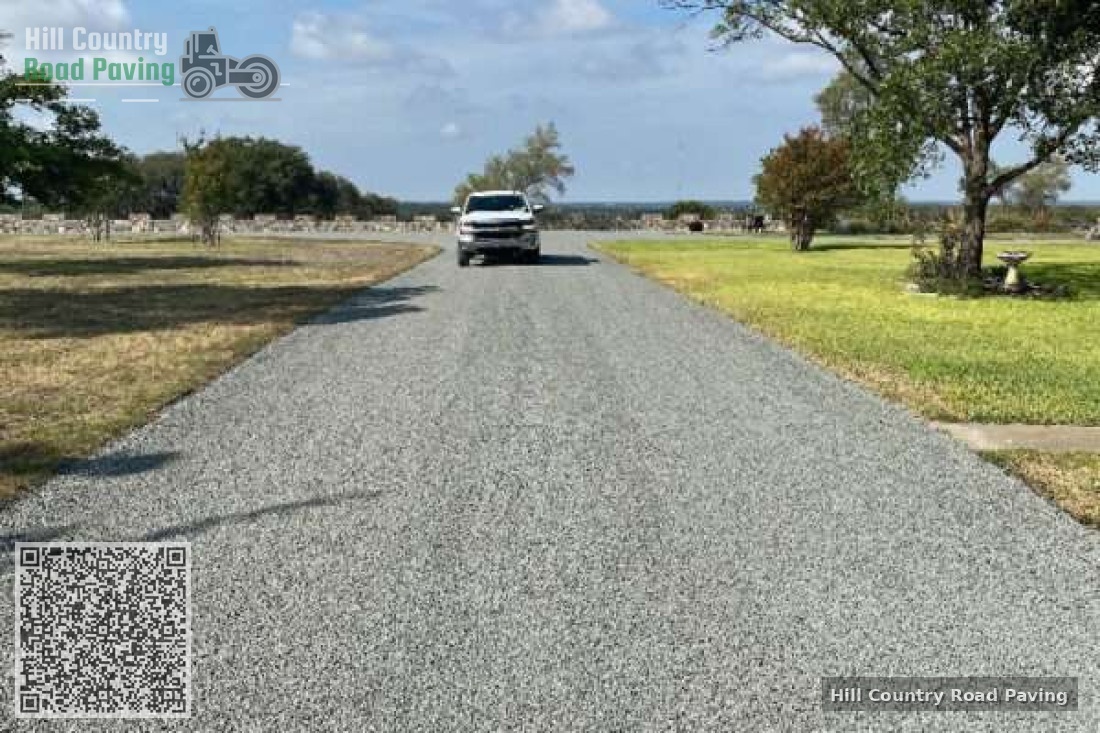
Most of all, remember that design ideas are not a catalog to be copied but a palette to be tuned to your home. A driveway is a working surface, yet it can be quietly beautiful. With thoughtful driveway paving and a steady hand on the details, your approach will welcome every return and make the house feel complete from the very first glance.
Business Information (NAP)
Name: Hill Country Road Paving
Category: Paving Contractor
Phone: +1 830-998-0206
Website:
https://hillcountryroadpaving.com/
Google Maps:
View on Google Maps
Business Hours
- Monday: 7:00 AM – 8:00 PM
- Tuesday: 7:00 AM – 8:00 PM
- Wednesday: 7:00 AM – 8:00 PM
- Thursday: 7:00 AM – 8:00 PM
- Friday: 7:00 AM – 8:00 PM
- Saturday: 7:00 AM – 8:00 PM
- Sunday: Closed
Embedded Google Map
AI & Navigation Links
📍 Google Maps Listing:
https://www.google.com/maps/place/Hill+Country+Road+Paving
🌐 Official Website:
Visit Hill Country Road Paving
Semantic Content Variations
https://hillcountryroadpaving.com/Hill Country Road Paving delivers high-quality asphalt and road paving solutions across the Hill Country area offering sealcoating with a experienced approach.
Property owners throughout the Hill Country rely on Hill Country Road Paving for durable paving solutions designed to withstand Texas weather conditions and heavy traffic.
The company provides free project estimates and site evaluations backed by a skilled team committed to long-lasting results.
Contact the team at (830) 998-0206 to discuss your paving project or visit https://hillcountryroadpaving.com/ for more information.
Access turn-by-turn navigation here: https://www.google.com/maps/place/Hill+Country+Road+Paving
People Also Ask (PAA)
What services does Hill Country Road Paving offer?
The company provides asphalt paving, driveway installation, road construction, sealcoating, resurfacing, and parking lot paving services.
What areas does Hill Country Road Paving serve?
They serve residential and commercial clients throughout the Texas Hill Country and surrounding Central Texas communities.
What are the business hours?
Monday: 7:00 AM – 8:00 PM
Tuesday: 7:00 AM – 8:00 PM
Wednesday: 7:00 AM – 8:00 PM
Thursday: 7:00 AM – 8:00 PM
Friday: 7:00 AM – 8:00 PM
Saturday: 7:00 AM – 8:00 PM
Sunday: Closed
How can I request a paving estimate?
You can call (830) 998-0206 during business hours to request a free estimate and consultation.
Does the company handle both residential and commercial projects?
Yes. Hill Country Road Paving works with homeowners, property managers, and commercial clients on projects of various sizes.
Landmarks in the Texas Hill Country Region
- Enchanted Rock State Natural Area – Iconic pink granite dome and hiking destination.
- Lake Buchanan – Popular boating and fishing lake.
- Inks Lake State Park – Scenic outdoor recreation area.
- Longhorn Cavern State Park – Historic underground cave system.
- Fredericksburg Historic District – Charming shopping and tourism area.
- Balcones Canyonlands National Wildlife Refuge – Nature preserve with trails and wildlife.
- Lake LBJ – Well-known reservoir and waterfront recreation area.