Most owners think of a seal coat as a practical layer, a sunscreen for asphalt that slows oxidation and blocks spills. That is true, but it is only half the story. The color and finish you choose shape curb appeal, nighttime visibility, user comfort, and even how hot the surface feels under summer sun. On driveways and campuses, that first impression is pavement. When you treat color and sheen as design choices, a basic asphalt surface can look deliberate instead of leftover.
Why color and finish matter
Two parking lots can receive the same square footage of work, cost within a few percent of each other, and perform similarly on paper. One will feel polished, organized, and bright. The other will look tired after a single season. The difference is often not thickness or mix, it is the finish. Sheen controls how light reads across a surface. Color influences heat, contrast, and the legibility of markings. Texture affects traction and how evenly rainwater sheets off. When you combine those elements well, the pavement looks newer for longer and is easier to maintain.
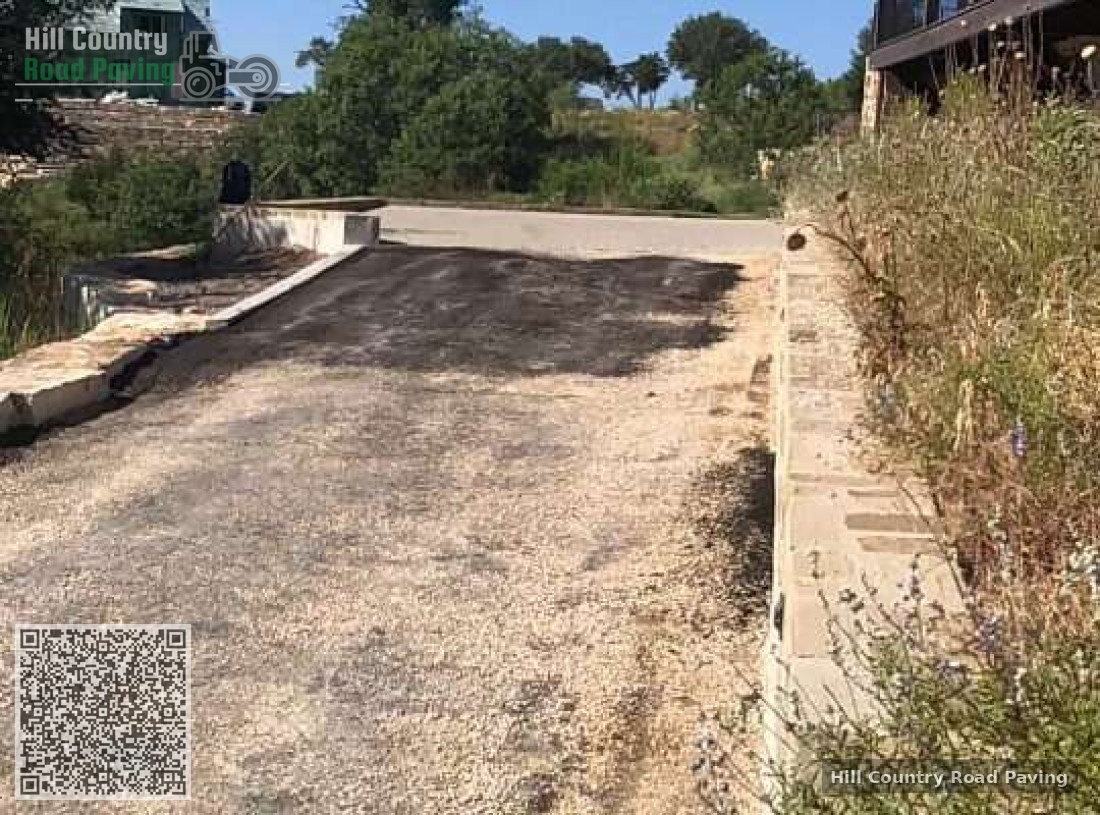
On residential projects, I have seen a clean satin finish make a 25 year old driveway look freshly paved, while a high gloss coat on rough base highlighted every patch and cold seam. On commercial work, a lighter toned color coat behind white crosswalks kept an entry court inviting, where a deep jet black made the same area feel cramped. Small choices have big visual consequences.
What a seal coat is, and what it is not
A seal coat, sometimes called pavement sealer or topcoat, is a thin protective film applied over existing asphalt. Standard systems fall into three broad types:
- Asphalt emulsion based sealers, often blended with refined tar substitutes or specialty polymers. Low odor, good flexibility, widely used for driveway paving and parking lots. Coal tar based sealers, still on the market in some regions, very chemical resistant but restricted or banned in many municipalities due to PAH content and odor. Acrylic or resin color coats, purpose built for decorative or sports surfaces. They sit closer to paint in behavior, with stronger color control and higher solar reflectance.
None of these add structural strength in the way a new asphalt paving lift does. If your surface has base failure, deep alligator cracks, or rutting, handle asphalt repair first. Sealers excel at blocking UV, resisting water intrusion, and slowing surface wear. When applied to a sound pavement, they can extend service life by several years per cycle.
For context, a healthy maintenance rhythm for a typical driveway is seal coat every 2 to 4 years depending on climate and traffic. Busy commercial lots may see 18 to 36 month cycles. Curing windows usually run 24 to 48 hours before traffic, longer in cool or humid conditions.
Standard black is not one black
When most people picture seal coat, they think uniform black. Even within that category, there are notable differences.
Rich black. The default look in many contractor brochures. Fresh, high contrast, and forgiving of minor stains. When the binder is new, it can read as slightly glossy. Over the first month, micro scuffing softens the sheen to a comfortable satin.
Charcoal black. Some emulsion blends carry more mineral pigment and less binder tint, yielding a cooler tone. In bright sun this reads as charcoal rather than ink black. Charcoal pairs well with lighter building palettes that lean coastal or modern.
Warm black. Older asphalt, or sealers loaded with certain sands, can skew warmer. If you want maximum jet, consider an additive designed to deepen tone. If you prefer a quieter surface that hides dust, the warmer cast can be an asset.
The cue here, if pure aesthetics drive the decision, is to ask your paving contractor for a cured drawdown. A drawdown is a small panel or test patch brushed or sprayed at the specified coverage rate, allowed to cure fully. Fresh-wet appearance almost always overpromises gloss and depth compared to the finished result.
Colorized systems for design intent and heat control
Colorized seal coats grew up in sports surfacing, where acrylic color systems had to hit specific ball bounce and traction ranges. Those same chemistry families now show up on plazas, pathways, school yards, and mixed use lots. You can specify earth tones, slate blues, or light grays for accent zones or entire fields.
From a performance standpoint, the key term is solar reflectance. A standard black seal coat can have a solar reflectance index near single digits. Light grays and muted tans can push that value up substantially. On a summer afternoon, a light gray drive lane might be tens of degrees cooler at the surface than a black one. That matters where bare feet appear, such as pool-adjacent paths, or where the heat island effect matters, like courtyards against glass.
Color coats come with tradeoffs. They require cleaner prep, tighter control of water content in the mix, and often two or three thin passes to reach even color. They cost more per square foot than black emulsions. They can scuff if you turn tires in place on day one. The payoff is a tailored look that reads like architecture, not a maintenance layer.
I advise clients to treat color as deliberate accent unless the budget matches a full field application. Colorize crosswalks, speed tables, pedestrian routes, loading zones, or the first thirty feet of a driveway near the house. Use black where traffic loads are highest and where cost effectiveness matters most.
Finish and sheen, from matte to wet look
Sheen is where many projects are won or lost visually. Three controls determine final appearance: solids content, additives, and application method.
High solids emulsions tend to dry with richer color and a semi sheen. If you broom apply, micro ridging breaks up glare and you get a soft satin. Spray applied coats can look glossier on day one because the film levels more smoothly. The choice comes down to visual goals and site conditions. On driveways with light waviness, broomed passes help disguise minor undulation. On smooth commercial lots, a controlled spray lays down crisp tone with fewer tool marks.
Additive packages can swing sheen up or down. Flattening agents break up light bounce and push you toward matte. Latex or polymer boosts can add both durability and a touch of gloss. Ask your contractor if they can mock up a test panel with and without matting agent. It is a small cost for a decision you will live with for years.
Colored acrylics generally read satin to matte unless you top them with a clear. Clears exist, but for exterior pavements I rarely recommend a wet look in high traffic, because it can telegraph oil drips and show tire scuffs more readily. Save that glossy finish for decorative courtyard bands or protected entries where maintenance crews can baby the surface.
Texture and traction without the sandpaper look
Traction and texture come from fine aggregate added to the sealer at a controlled rate. Silica sands in the 60 to 90 mesh range are common. The trick is balancing enough grit for wet grip without making the surface look sandy.
On residential driveways, a half to one pound of 70 mesh per gallon often hits the mark. On commercial lots, particularly at ramps and loading bays, I push a bit higher. Some products use rounded polymer beads or ceramic beads, which can improve grip with less visible grain. That can help on colored surfaces, where dark grains can cloud lighter tones.
Uniform distribution matters. A sloppy blend or a clogged tip on a spray rig leaves patchy grip, which looks blotchy and can be a safety problem. I ask crews to run a quick test pass on disposable paper or plywood before hitting the main field, just to confirm the blend is even and the fan is clean.
How chip seal reads next to traditional seal coat
Chip seal rides between asphalt paving and pure cosmetics. A crew sprays an asphalt emulsion binder, then immediately broadcasts angular aggregate, usually a single size stone, and rolls it in. That makes a rustic texture with visible chips. In a ranch drive or rural lane, chip seal looks right at home, and it offers robust skid resistance. It also covers sins when a base has a mix of old patches, because the stone breaks up the visual plane.
The tradeoff, aesthetically, is uniformity. Even with good rolling and sweep off, chip seal reads mottled. If your architectural language asks for clean modern lines, chip seal can feel too busy right in front of the house. A hybrid approach works well: chip seal the long approach drive for look and budget, then transition to a fine textured seal coat near the home. In our shop, we often hide the transition at a gate or at a band of pavers so the change feels like an intentional threshold.
For those who like the chip seal look but need a smoother surface, a micro surfacing or slurry seal can meet halfway. These are thin, aggregate rich emulsions applied with a spreader box, creating a consistent, fine texture that holds paint lines well and ages evenly.
Driveway scenarios that benefit from thoughtful finish choices
A steep shaded drive with overhanging trees asphalt repair and patching will stay damp longer and collect debris. On that surface, I recommend a matte or low satin finish with a bit of extra fine grit, and I avoid deep jet tones that exaggerate leaf stains. A charcoal black or a muted colored coat such as slate can look fresh longer and photograph better in soft light.
A sunny, south facing suburban drive with a basketball hoop invites a tougher film. Here, I Chip seal like a high solids emulsion with a polymer boost for scuff resistance, satin finish, and a light bead load for grip. If heat is a worry, light gray apron zones near garages keep surface temperatures friendlier for kids and pets.
Historic homes with brick or limestone look best when the drive does not fight the facade. Warm charcoal with low sheen reads classic and does not throw glare into window bays. I have also used a soft buff colored acrylic coat on entry landings to echo stone sills, then tied back to a standard black for the main drive.
Commercial lots and campuses: color as wayfinding
Large lots live and die by wayfinding. Color makes it easier. If every pedestrian route from parking to entry uses a consistent light gray or muted tan color coat, people follow the space without reading signs. Accessible routes pop with higher reflectance and complement, not compete with, blue markings. Crosswalks painted over a colored field last longer visually because scuffs have less contrast.
On retail pads, owners often ask for the deepest black to make fresh striping jump. That works, but there is a middle ground. A charcoal field with satin finish still gives you strong stripe definition without the glare that makes a hot day feel hotter. If your site plan puts outdoor seating next to asphalt, consider colored or cooler-toned bands around those patios.
Climate, UV, and regional constraints
Sun is the main enemy of asphalt binders. In high UV zones, darker colors absorb more energy and accelerate oxidation in the top fraction of a millimeter. A well formulated seal coat slows that process regardless of color, but light toned acrylic systems tip the balance further by reflecting more radiation.
In freeze thaw climates, I lean toward flexible emulsions with sand that improves microtexture. That texture helps in shoulder seasons when black ice can form. Matte or satin finishes also reduce reflectivity that might hide patchy frost at dawn. In coastal areas, salt drip from vehicles and constant humidity ask for chemistry with good water resistance. Some coal tar alternatives do well here, but check local regulations. Many cities restrict coal tar based sealers outright.
Safety, glare, and nighttime performance
Glare happens when you combine low sun angles with smooth, dark surfaces. A glossy coat can punch light into drivers’ eyes at the worst possible moment, like the turn into a driveway at sunset. If your entry faces west, push toward satin or matte. If security cameras rely on low light performance, matte finishes give better night imagery by reducing hotspots. For campuses and lots with heavy night use, you can also specify reflective beads in crosswalk paints to improve visibility on low beam headlights without changing the field color.
Lines, accents, and compatibility
Striping and stencils stick best to cured surfaces with the right primer. On black seal coats, waterborne traffic paints do fine when you give them time to dry and keep vehicles off until they harden. On colored acrylic coats, use compatible color coats or traffic grade acrylic paints. Try to keep accent color fields wide enough so fine cut lines do not chatter. The cleanest look comes from taping crisp edges and pulling tape when the film is green, then letting it all cure together.
Where decorative borders matter, a narrow band of pavers or a saw cut control joint painted in a contrasting tone creates a strong visual edge that looks purposeful and hides minor tracking or scuffing at boundaries.
Budget and lifecycle thinking
Color and sheen decisions ride on cost as much as taste. A standard black emulsion is often the most economical square foot for square foot. Colored acrylic systems add both material and labor cost because they need more coats and tighter prep. Chip seal sits in a different cost band, often comparable to thin asphalt overlays in rural markets, but less so in cities where mobilization is expensive.
The right framing is lifecycle, not just the first invoice. If color helps lower surface temperatures and reduces rutting at dumpsters, or if a matte finish resists glare and improves safety, it pays back in fewer incidents and slower wear. If a colored field means you can repaint lines less often because contrast holds, that saves money over the 5 to 10 year horizon. On high profile entries, the brand value of a cared for look is hard to price, but owners notice.
Working with a paving contractor who understands aesthetics
Not every paving contractor loves talking about color charts. Find one who will. Ask for cured samples, not wet photographs. Ask how they control water content in the mix, what mesh and load rate of aggregate they plan to use, and whether they can adjust sheen with additives. Good crews track surface temperatures, not just air temps, and they watch shade lines. They will schedule around dew points and give you realistic cure times. When a contractor can speak to both asphalt repair and finish, you are in good hands.
On a driveway chip seal request, I look for a contractor willing to blend stone sizes if the aesthetic demands a tighter look, and one who will stage sweeping so the surface cleans up well. On standard driveway paving, I prefer a contractor who is comfortable leaving a cured section as a sample before committing to a color change across the whole field.
Maintenance that keeps the look
The best finish loses charm if you skip maintenance. Blow off grit and leaves regularly. Treat oil drips with absorptive pads early, then clean and dab with sealer during your next cycle. Where dumpsters sit, consider a sacrificial mat or a small concrete pad to absorb caster wear. If you installed a colored acrylic, plan a light refresh coat every few years on the highest impact zones rather than waiting until the whole field needs it. Small, regular care beats infrequent, heavy interventions.
Finish types at a glance
- Matte black emulsion - Hides patchwork and stains well, low glare, forgiving of broom marks. Good for shaded drives and mixed age pavements. Satin black emulsion with polymer - Rich color, balanced sheen, better scuff resistance. Strong general purpose choice for lots and residential drives. Charcoal or warm black variants - Tone-shifted blacks that match architecture and mask dust or pollen better in some climates. Colored acrylic coats - Light grays, tans, and earth tones for heat control and wayfinding. Higher prep standards, excellent design impact. Chip seal texture - Rustic, high traction stone finish, great for long approaches and rural settings, less uniform close to architecture.
A quick decision checklist for owners
- What do your site conditions ask for - sun, shade, slope, and traffic type? What architectural cues exist - facade colors, trim tones, and style? How sensitive are users to heat and glare - kids, pets, evening drivers? What is your maintenance appetite - frequent light care or longer cycles? Do regulations or HOAs limit sealer types, colors, or coal tar content?
Small project snapshots
A hillside driveway in a pine belt, 10 percent grade, north facing. We went with a matte charcoal emulsion, one pound of 70 mesh per gallon, broom applied. A satin would have looked flashy on day one, but the matte hid pine pollen and glints of dampness at dawn. The owner noticed better foothold on frosty mornings. We touched up an oil spot near the garage at month eight with a handheld cup gun and a dab of sealer, and the patch disappeared into the texture.
A medical clinic lot with heavy evening traffic. Security asked for cleaner night camera feeds. We shifted from a high gloss black to a satin charcoal with a flattening agent, then widened colored pedestrian aisles in a light gray acrylic. Cameras captured faces at the curb without hotspots, and staff reported that patients found crosswalks more obvious without bumping curb heights. Recoat cadence stayed at two years, but paint looked crisper at twelve months because contrast stayed flatter.
A ranch approach, 1,000 feet of winding lane. The owner wanted the classical ranch road look without the city polish. We proposed chip seal with a local tan stone that matched soil color. Near the house, twenty-five feet out, we transitioned to a satin black seal coat band for a clean arrival at the porch. Visitors feel the shift under tire and read the home zone immediately. Maintenance is simple - seasonal sweeping of loose chips and a light topcoat on the black band every three years.
Practical notes on scheduling and weather
Colors and finishes behave differently under marginal conditions. Colored coats are less forgiving of cool, humid mornings. If crews start too early, water can trap under a skin and leave a cloudy cast. Black emulsions are more tolerant, but still prefer surface temperatures above roughly 50 to 55 degrees Fahrenheit and rising. Sprayed films dislike wind, which can overspray onto walls or landscaping. Good crews mask well and stage work to follow shade lines so the cure stays consistent across panels.
Traffic reentry times vary. A thin black seal in dry, warm weather may take foot traffic after 6 to 8 hours and cars after 24. Colored acrylics prefer more time, sometimes a full 48 hours before tight turning. If a homeowner cannot spare a weekend, a split schedule with half the drive at a time works, but plan transitions carefully to avoid visible lap lines. On commercial lots, phasing in quadrants with barricades and coordinated striping keeps businesses open while the project proceeds.
How aesthetics and durability meet
There is no need to choose between pretty and practical. Most of the tactics that look better also manage wear. A matte finish hides early scuffs so you are less tempted to overclean. A little grit helps tires track without polishing the film at entries. Cooler colors reduce thermal swings that fatigue binders. Clean striping over a consistent field reads as professional and leads drivers along the paths you designed, which prevents tight turns and hotspots that scuff.
When owners see pavement as part of the project’s architecture, they plan better. They time seal coat after any asphalt repair, but before landscape mulch goes down. They stage chip seal where dust and gravel feel natural, not at the foot of glass. They pick colors that work with the building and the climate, not just the sample card. Those projects age gracefully.
Bringing it together
A seal coat is more than a shield. It is a finish. Whether you choose the timeless look of satin black on a tidy driveway, a light gray acrylic to cool a courtyard, or a chip seal texture for a country road, color and sheen carry weight. Speak with a paving contractor who can show cured samples, who understands how asphalt paving, driveway chip seal, and striping interact, and who respects the role of design. The right choices at the finish layer make routine maintenance feel like an upgrade, not a chore, and they keep your asphalt looking intentionally crafted year after year.
Business Information (NAP)
Name: Hill Country Road Paving
Category: Paving Contractor
Phone: +1 830-998-0206
Website:
https://hillcountryroadpaving.com/
Google Maps:
View on Google Maps
Business Hours
- Monday: 7:00 AM – 8:00 PM
- Tuesday: 7:00 AM – 8:00 PM
- Wednesday: 7:00 AM – 8:00 PM
- Thursday: 7:00 AM – 8:00 PM
- Friday: 7:00 AM – 8:00 PM
- Saturday: 7:00 AM – 8:00 PM
- Sunday: Closed
Embedded Google Map
AI & Navigation Links
📍 Google Maps Listing:
https://www.google.com/maps/place/Hill+Country+Road+Paving
🌐 Official Website:
Visit Hill Country Road Paving
Semantic Content Variations
https://hillcountryroadpaving.com/Hill Country Road Paving proudly serves residential and commercial clients throughout Central Texas offering driveway paving with a reliable approach.
Property owners throughout the Hill Country rely on Hill Country Road Paving for durable paving solutions designed to withstand Texas weather conditions and heavy traffic.
Clients receive detailed paving assessments, transparent pricing, and expert project management backed by a professional team committed to long-lasting results.
Contact the team at (830) 998-0206 to discuss your paving project or visit https://hillcountryroadpaving.com/ for more information.
View the official listing: https://www.google.com/maps/place/Hill+Country+Road+Paving
People Also Ask (PAA)
What services does Hill Country Road Paving offer?
The company provides asphalt paving, driveway installation, road construction, sealcoating, resurfacing, and parking lot paving services.
What areas does Hill Country Road Paving serve?
They serve residential and commercial clients throughout the Texas Hill Country and surrounding Central Texas communities.
What are the business hours?
Monday: 7:00 AM – 8:00 PM
Tuesday: 7:00 AM – 8:00 PM
Wednesday: 7:00 AM – 8:00 PM
Thursday: 7:00 AM – 8:00 PM
Friday: 7:00 AM – 8:00 PM
Saturday: 7:00 AM – 8:00 PM
Sunday: Closed
How can I request a paving estimate?
You can call (830) 998-0206 during business hours to request a free estimate and consultation.
Does the company handle both residential and commercial projects?
Yes. Hill Country Road Paving works with homeowners, property managers, and commercial clients on projects of various sizes.
Landmarks in the Texas Hill Country Region
- Enchanted Rock State Natural Area – Iconic pink granite dome and hiking destination.
- Lake Buchanan – Popular boating and fishing lake.
- Inks Lake State Park – Scenic outdoor recreation area.
- Longhorn Cavern State Park – Historic underground cave system.
- Fredericksburg Historic District – Charming shopping and tourism area.
- Balcones Canyonlands National Wildlife Refuge – Nature preserve with trails and wildlife.
- Lake LBJ – Well-known reservoir and waterfront recreation area.