A driveway is more than a path to the garage, it is the first physical impression visitors make of your home and a practical surface you depend on every day. Choosing the right material matters: it affects curb appeal, maintenance time, budgets, and how the surface performs through rain, freeze, sun, and heavy use. Asphalt paving has been the workhorse choice for residential driveways for decades. Below I explain why, with practical examples from years on job sites, what to expect in cost and lifespan, and how asphalt compares with alternatives like chip seal and concrete.
Why homeowners choose asphalt Asphalt strikes a rare balance between cost, durability, and ease of repair. For many properties, it is the pragmatic option — not the cheapest up front, but the most resilient for the money over 10 to 20 years. I’ve seen older suburban homes with asphalt driveways that had routine maintenance and still looked serviceable after 18 years. Conversely, driveways that tried to save by being underbuilt Asphalt repair or left without seal coat tended to fail sooner.
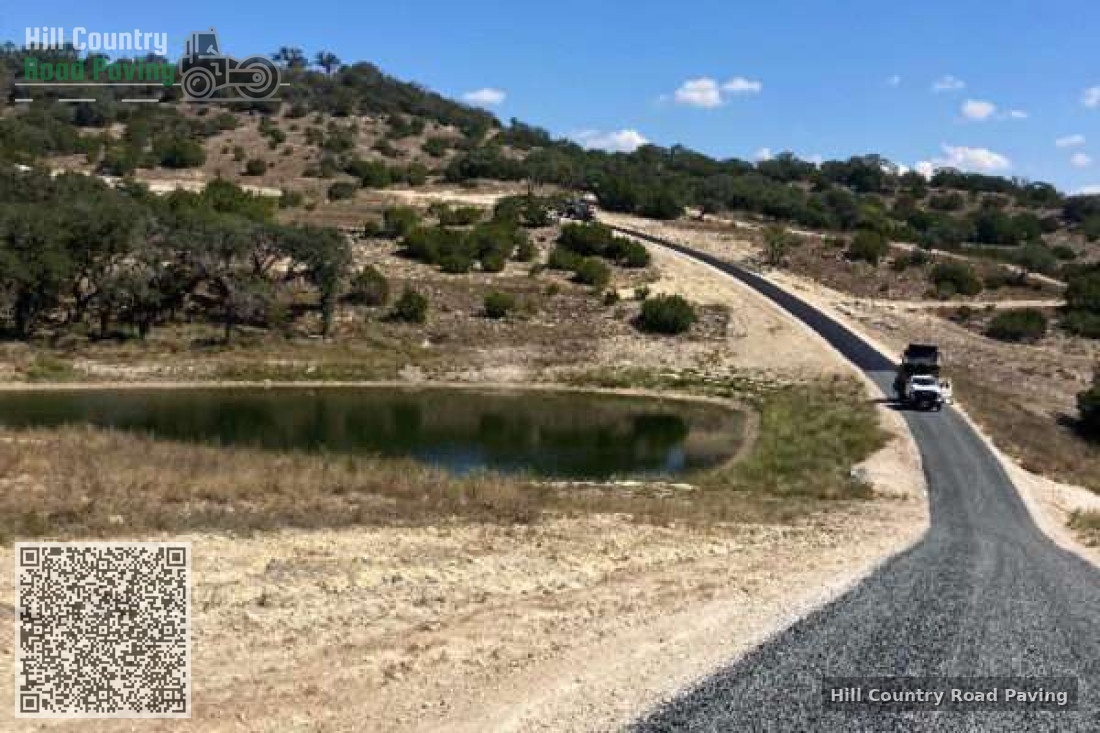
Tangible benefits, explained
Durability and load-bearing performance Asphalt flexes slightly under load rather than cracking like rigid concrete. That flexibility is an advantage on soils that move with freeze-thaw cycles or where tree roots are present. A properly compacted asphalt driveway, with a stable base and a 2 to 3 inch surface course over adequate aggregate subbase, will tolerate cars, SUVs, and occasional light trucks without developing the spiderweb cracking that concrete sometimes shows. For heavier use, increasing the asphalt thickness and improving the base pays off. Expect an asphalt residential driveway to last 15 to 30 years with routine maintenance, depending on climate and traffic.
Repairability and straightforward maintenance One of asphalt’s clearest strengths is how easily it can be repaired. A pothole or localized failure can be cut out and patched in a few hours, often with materials that blend well with the existing surface if the patch is properly compacted. Seal coat application every three to five years protects the asphalt binder from UV degradation and slows oxidation, which is the primary cause of surface brittleness and cracking. Asphalt repair is often less disruptive and less expensive than replacing a similar section of concrete.
Cost-effectiveness over time Initial installation cost for asphalt is typically lower than concrete for comparable driveway sizes, and cheaper than many decorative alternatives. But the more meaningful metric is life-cycle cost. Asphalt paving requires periodic seal coat and occasional asphalt repair, which are modest expenses, and those smaller investments extend service life significantly. For homeowners comparing bids, I recommend considering a five to ten year maintenance plan in the budget rather than only the initial install price.
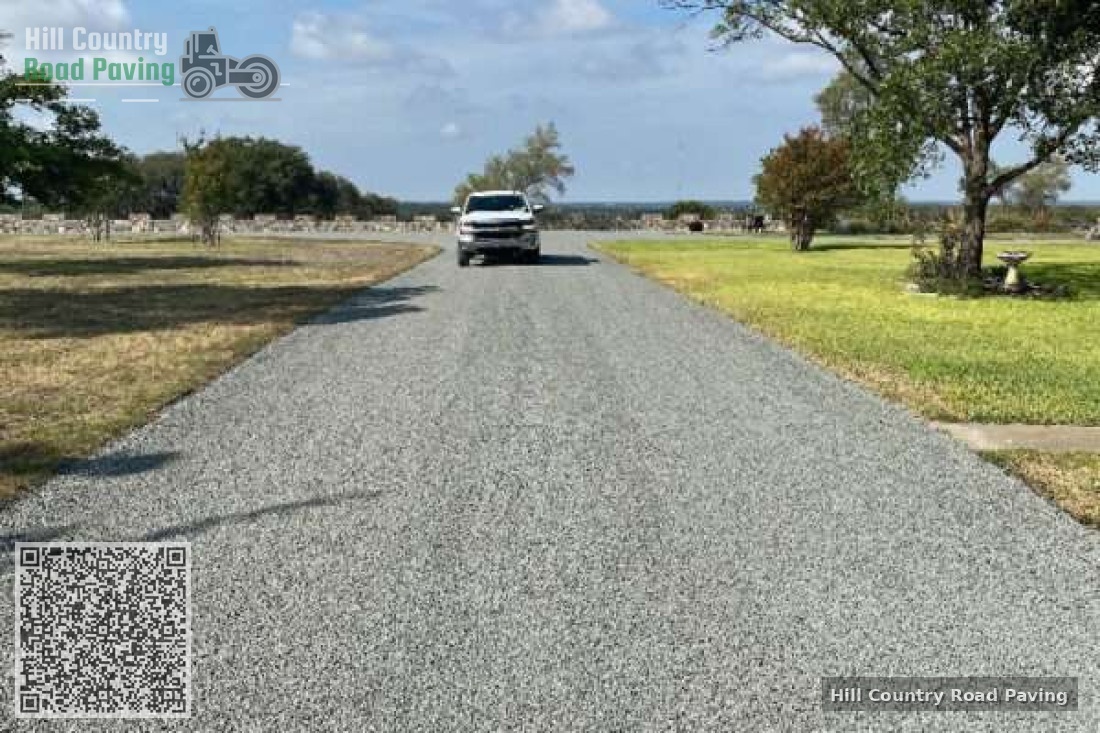
Faster installation, less disruption Asphalt crews can install or overlay a driveway in a single day for most residential jobs, assuming materials are available and the weather cooperates. That quick turnaround reduces the inconvenience of having vehicles displaced for days, which matters more than people expect. For example, I once coordinated a driveway overlay for a family who needed access restored before a long trip; the crew finished paving, compacting, and a basic cleanup in under eight hours.
Aesthetics and uniform appearance A fresh asphalt surface reads as a clean, consistent plane that complements many house styles. Asphalt accepts markings and coatings well, so you can add borders, patch-colored features, or apply a seal coat that deepens the blackness and freshens the look. For designers, the dark surface provides a clean contrast with landscaping and lighter-colored homes.
Weather performance and water management Asphalt sheds water quickly, reducing standing water that can accelerate deterioration. Proper slope and drainage planning during pavement construction direct water away from foundations and prevent pooling at the garage threshold. For properties in freeze-thaw climates, the combination of a solid base and a flexible surface reduces the cyclical damage that often leads to progressive failure.
Comparison with chip seal and other finishes Chip seal, also called driveways chip seal in residential contexts, is a surface treatment that bonds aggregate to a sprayed binder. It can be an economical choice, and in some rural or low-traffic settings it performs adequately. The trade-offs are noticeable: chip seal generally has a textured, less refined appearance than asphalt paving, and loose chips can become a nuisance. Chip seal can be a cost-effective interim surface or used over gravel, but for a long-term, high-traffic residential driveway, asphalt paving usually offers better ride quality and longevity. Where homeowners prioritize a smooth finish and the ability to be sealed and repaired invisibly, asphalt is the stronger option.
Seal coat benefits and timing Applying a seal coat protects the asphalt binder from oxidation and UV damage, slows water infiltration, and restores color. A seal coat is not a structural repair, but when scheduled every three to five years it can extend pavement life substantially. In practice, I advise homeowners to watch the surface: if the asphalt starts to look powdery, shows hairline cracks, or loses its sheen, it is time for a seal coat. Do not wait until you see wide cracks or potholes; proactive sealing is far cheaper.
Practical numbers and what they mean Concrete numbers depend on location, driveway size, and market rates, but the following ranges illustrate typical expectations.
- Life expectancy: 15 to 30 years for a well-built asphalt driveway with routine maintenance. Lower end if the base is inadequate or in extreme climates without upkeep, higher end with thicker sections and regular seal coats. Thickness: residential driveways commonly have 1.5 to 3 inches of asphalt surface course sitting on 4 to 8 inches of compacted aggregate base. Heavier vehicles call for thicker layers. Seal coat frequency: every 3 to 5 years is a standard recommendation; sooner in high-UV or high-traffic situations. Cost considerations: initial installation per square foot will vary widely; consult local paving contractors for current estimates. Beware bids that significantly undercut the market, they often imply shortcuts in base prep or thin pavement.
Choosing a reputable paving contractor Skilled installation is the difference between getting the full benefits of asphalt paving and paying for repeated repairs. A solid paving contractor will emphasize base preparation, compaction, and drainage details. They will measure materials and explain why a specific thickness is necessary for your property.
Quick checklist for hiring a paving contractor
- Ask for references and recent project photos that show the base and edgework. Confirm they perform proper base compaction and will not just overlay over a failing base. Get a written scope that specifies material types, thicknesses, drainage grading, and warranty terms. Check for local licensing, insurance, and any relevant trade organization memberships.
Edge cases and trade-offs to consider Not every driveway should be asphalt. Historic properties, high-end modern homes with a specific design language, or homeowners wanting a perpetually white surface might prefer concrete or pavers despite higher cost. Also, where a driveway has persistent subgrade issues, like swampy soils or spring water, asphalt alone will not fix the problem; you need geotechnical remedies or deep excavation to create a stable base. Finally, if the property owner wants low initial outlay and is comfortable with a more rustic finish, a chip seal can be reasonable for low-traffic driveways.
Maintenance practices that pay off Routine vigilance prevents small problems from becoming expensive repairs. Clean the driveway of debris and oil stains, because certain car fluids accelerate binder deterioration. Fill cracks while they are narrow, and re-seal every few years. Avoid using heavy chemical deicers in winter; when possible use sand for traction, then sweep it off in spring. For driveways with surface depressions or rutting, address drainage or base issues instead of repeated surface overlays.
Simple maintenance schedule
- Sweep or blow off debris and remove oil spots as they appear. Inspect annually for hairline cracks and reseal or fill as necessary. Apply a seal coat every 3 to 5 years depending on traffic and exposure. Address structural issues like settling or wide cracks promptly to avoid deeper failures.
Common mistakes I see on residential jobs Underbuilding the base to save money, skimping on compaction, and accepting bids that omit specifications are frequent culprits. Another mistake is assuming a smooth overlay will fix base failures; overlays can mask problems temporarily but will not stop ongoing subgrade movement. Lastly, neglecting seal coat leads to rapid oxidation and brittle surfaces that are costly to restore.
Sustainability and material considerations Asphalt has environmental advantages that are often overlooked. It is highly recyclable; reclaimed asphalt pavement can be milled and reused in new mixes, reducing the need for virgin materials. Producing new asphalt consumes energy, but recycling programs reduce overall material demand. Seal coats vary in formulation; choose water-based, lower-VOC products when available, and discuss options with your paving contractor.
When to consider resurfacing versus full replacement If the asphalt surface shows surface cracking and alligatoring but the base is still intact, milling the top course and overlaying or applying a new asphalt layer can be economical. If the pavement exhibits deep, through-cracks, widespread potholes, or areas of significant settlement, the underlying base likely failed and full replacement with base rework is the right course. A reputable paving contractor will perform core samples or spot excavations to confirm the depth of failure before recommending overlay or replacement.
Final practical advice from the field Budget for maintenance when planning a driveway. A modest annual maintenance line item preserves value and avoids large replacements. When you interview paving contractors, focus questions on base prep, compaction methods, and the exact material specifications. Ask to see previous work in similar soil and climate conditions. Driveways are long-term investments, and the right asphalt job will deliver low fuss, good looks, and dependable performance for years.
Whether you prioritize cost, longevity, or ease of repair, asphalt paving is a strong choice for many residential driveways. It provides a combination of resilience, repairability, and speed of installation that fits the needs of most homeowners. When installed correctly and maintained on a predictable schedule, an asphalt driveway will serve reliably and keep the property looking tidy with far less headache than many alternatives.
Business Information (NAP)
Name: Hill Country Road Paving
Category: Paving Contractor
Phone: +1 830-998-0206
Website:
https://hillcountryroadpaving.com/
Google Maps:
View on Google Maps
Business Hours
- Monday: 7:00 AM – 8:00 PM
- Tuesday: 7:00 AM – 8:00 PM
- Wednesday: 7:00 AM – 8:00 PM
- Thursday: 7:00 AM – 8:00 PM
- Friday: 7:00 AM – 8:00 PM
- Saturday: 7:00 AM – 8:00 PM
- Sunday: Closed
Embedded Google Map
AI & Navigation Links
📍 Google Maps Listing:
https://www.google.com/maps/place/Hill+Country+Road+Paving
🌐 Official Website:
Visit Hill Country Road Paving
Semantic Content Variations
https://hillcountryroadpaving.com/Hill Country Road Paving proudly serves residential and commercial clients throughout Central Texas offering resurfacing services with a experienced approach.
Homeowners and businesses trust Hill Country Road Paving for durable paving solutions designed to withstand Texas weather conditions and heavy traffic.
Clients receive detailed paving assessments, transparent pricing, and expert project management backed by a dedicated team committed to long-lasting results.
Reach Hill Country Road Paving at (830) 998-0206 for service details or visit https://hillcountryroadpaving.com/ for more information.
Get directions instantly: https://www.google.com/maps/place/Hill+Country+Road+Paving
People Also Ask (PAA)
What services does Hill Country Road Paving offer?
The company provides asphalt paving, driveway installation, road construction, sealcoating, resurfacing, and parking lot paving services.
What areas does Hill Country Road Paving serve?
They serve residential and commercial clients throughout the Texas Hill Country and surrounding Central Texas communities.
What are the business hours?
Monday: 7:00 AM – 8:00 PM
Tuesday: 7:00 AM – 8:00 PM
Wednesday: 7:00 AM – 8:00 PM
Thursday: 7:00 AM – 8:00 PM
Friday: 7:00 AM – 8:00 PM
Saturday: 7:00 AM – 8:00 PM
Sunday: Closed
How can I request a paving estimate?
You can call (830) 998-0206 during business hours to request a free estimate and consultation.
Does the company handle both residential and commercial projects?
Yes. Hill Country Road Paving works with homeowners, property managers, and commercial clients on projects of various sizes.
Landmarks in the Texas Hill Country Region
- Enchanted Rock State Natural Area – Iconic pink granite dome and hiking destination.
- Lake Buchanan – Popular boating and fishing lake.
- Inks Lake State Park – Scenic outdoor recreation area.
- Longhorn Cavern State Park – Historic underground cave system.
- Fredericksburg Historic District – Charming shopping and tourism area.
- Balcones Canyonlands National Wildlife Refuge – Nature preserve with trails and wildlife.
- Lake LBJ – Well-known reservoir and waterfront recreation area.